
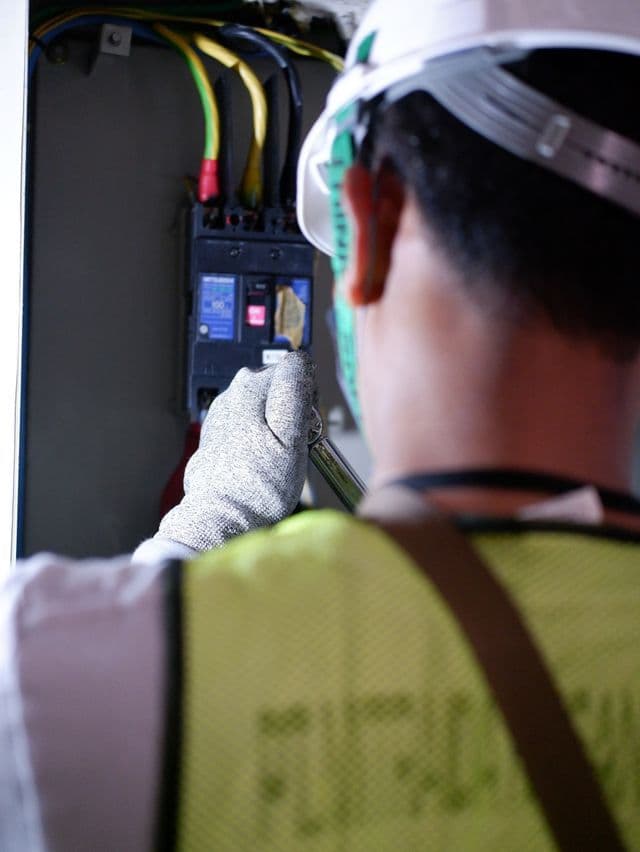
A sudden loss of electrical power initiated by a tripping residual-current device (RCD, or *salvavita*) is a critical diagnostic event, not a mechanical inconvenience. The RCD actively monitors the differential between phase and neutral currents. When a variance exceeding safety thresholds (typically 30mA) is detected, it severs the circuit to prevent lethal electrocution and structural fires. Understanding the underlying fault triggers is mandatory for safe resolution.
""A tripping circuit breaker is an engineered defense mechanism executing its primary function. Bypassing this protection by repeatedly resetting the device against a persistent fault guarantees thermal overload, risking catastrophic fire and human life.""
Unresolved electrical faults require specialized diagnostic hardware. Arvand Termo Tec executes precision electrical troubleshooting, circuit isolation, and CEI-compliant system securing across Mestre, Venice, and Padua. Contact via WhatsApp for immediate technical intervention.
Request a quotePrimary Fault Triggers
The three primary structural and mechanical causes for a tripped breaker include:
Short Circuits (Cortocircuito): Occurs when low-resistance direct contact is established between phase and neutral conductors. This bypasses the normal load, generating a massive, instantaneous amperage spike that forces the miniature circuit breaker (MCB) or main breaker to trip to prevent wire insulation from melting.
Earth Leakage (Dispersione verso terra): The most frequent cause of RCD trips in humid environments like the Veneto region. It occurs when moisture infiltrates electrical receptacles, exterior junction boxes, or heavy appliances (water heaters, washing machines). The current escapes its intended path and tracks to the earth ground, immediately triggering the differential safety threshold.
Component Breakdown: Internal dielectric degradation or heating element rupture within household appliances. As appliances age, their internal insulation fails, causing localized shorting against the appliance chassis.
Safe Troubleshooting Protocol
Execute this strict isolation sequence to locate the fault source without compromising personal safety:
- Isolate the Panel: Lower all miniature circuit breakers (MCBs) to the 'OFF' position in the main distribution board.
- Reset the Main: Re-engage the primary residual-current device (RCD/Salvavita). If it trips immediately under zero load, the fault resides within the panel or the primary neutral busbar. Halt all action and dispatch a technician.
- Sequential Activation: Reactivate the MCBs one by one, pausing for three seconds between each. The specific breaker that triggers the main RCD isolates the compromised electrical zone.
- Load Disconnection: Leave the compromised MCB in the 'OFF' position. Physically unplug all appliances connected to that specific circuit. Do not simply switch them off; physical disconnection from the receptacle is required to clear neutral faults. If the breaker holds upon reactivation, reconnect devices sequentially to identify the defective unit. Never proceed with manual repairs on the distribution board itself.